
Housing in Essex
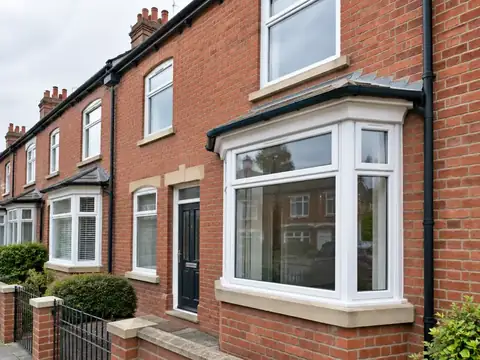
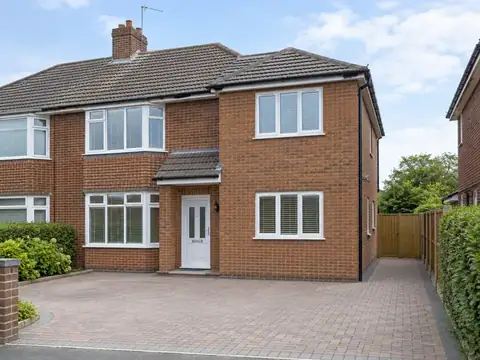
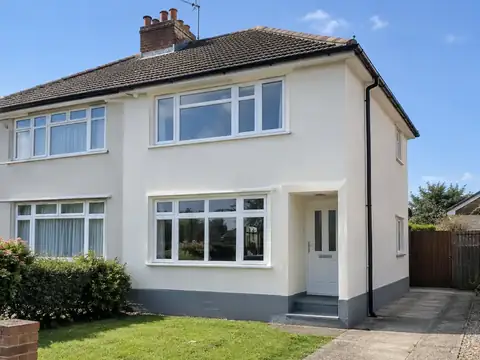
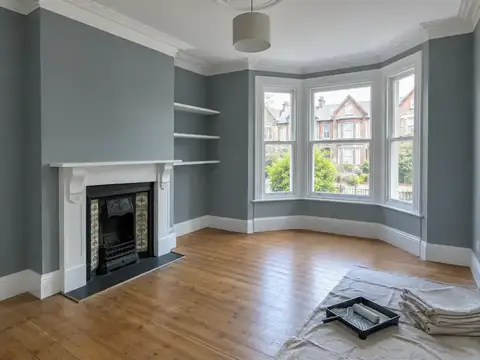
Essex ranges from timber-framed and weatherboarded cottages in the north, some with decorative pargeting, to Victorian terraces in Colchester, Chelmsford and Southend. Basildon and Harlow were built as post-war new towns, much of the south-east has interwar suburbs and bungalows, and large new estates continue to appear around Chelmsford and Braintree.
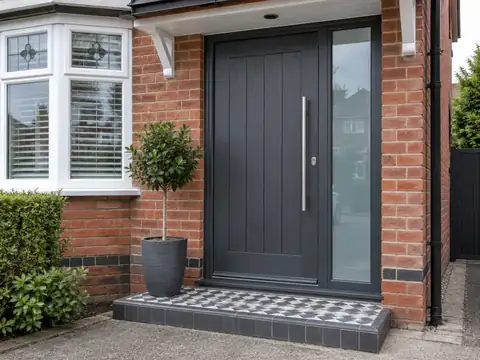
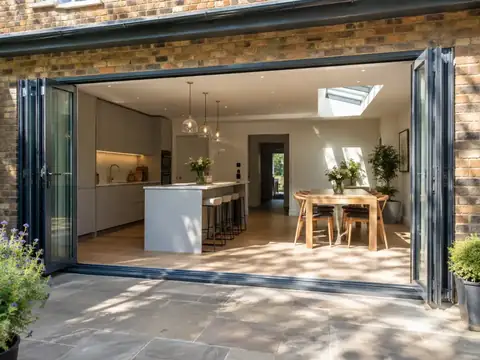
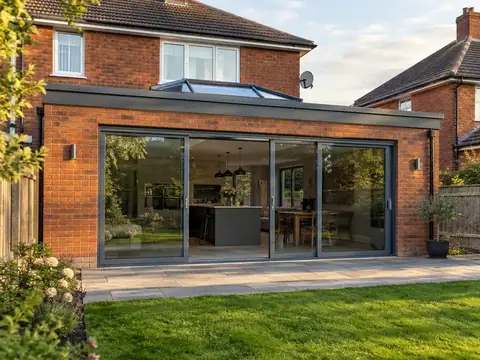
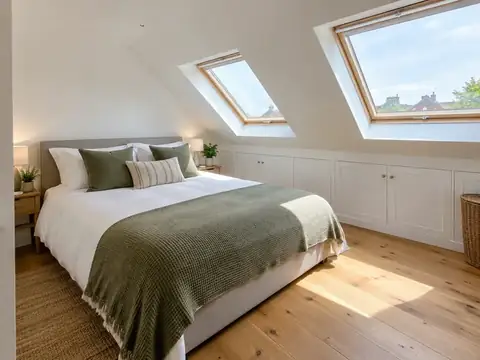
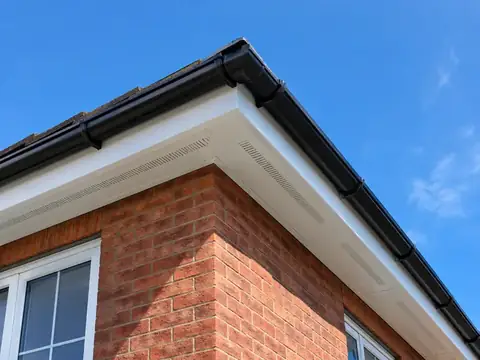
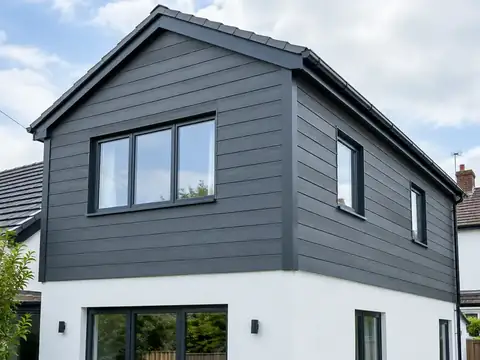
Terraces and semis commonly suit loft conversions and rear extensions, and many bungalows can take a loft room. New-town homes often need cladding, window and roofline renewal, while timber-framed cottages call for lime plaster and repairs that respect the original frame.
So when we survey a Colchester property for home improvements, the first step is working out how it was built and what has been changed since.
Planning and building rules for Colchester
For anyone in Colchester, the relevant framework is England's. The summary below is general, so we always contact the council about your address before putting a price in writing.
In England, planning applications go to your local council, and many smaller extensions, loft conversions and outdoor jobs are permitted development. Conservation areas, listed buildings and Article 4 directions remove some of those rights. Building Regulations approval comes from council building control or a registered building control approver, or through a competent person scheme for certain trades.
Common questions
Do you cover Sudbury, Clacton-on-Sea and Witham?
Yes. As well as Colchester, we cover Sudbury, Clacton-on-Sea and Witham and the rest of Essex. Our coverage is UK-wide, so the process is the same wherever you are: a free site survey, a quote in writing that fixes the price for the agreed scope, and one point of contact while the work is planned and carried out.
Which postcodes in Colchester do you cover?
We cover CO1, CO2, CO3 and CO4, along with the rest of Essex. If your postcode is not listed, get in touch anyway: our coverage is UK-wide, and we can usually arrange a survey wherever you live. Enter your postcode in the guide-price tool or contact form and we will confirm.
Can I stay at home during the work?
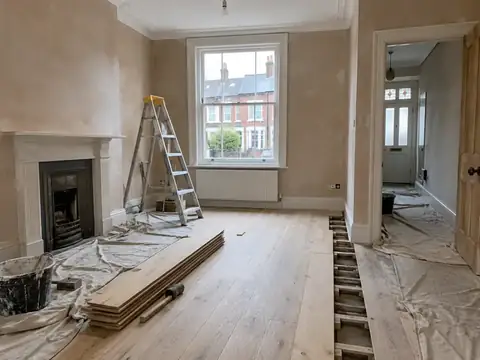
In most cases, yes. Most people can live at home throughout, and we plan the work to keep disruption down by protecting floors, agreeing working hours and keeping access routes clear. Bigger jobs affecting kitchens, bathrooms or heating may mean a short spell with reduced facilities, and we talk this through with you at the survey.
What happens at the survey?
We visit your home at a time that suits you, look at the area involved, take measurements and check access, condition and any services that might be affected. We talk through what you want from your project, explain the options and answer questions. There is no charge and no obligation; afterwards we send a written quote.
Who do I deal with during the job?
One point of contact manages your project from survey to handover. They schedule the trades working under our contract, keep you updated on progress, and are the person to call with any question. You don't need to coordinate builders, electricians or decorators separately, because that is part of what we do.