
Housing in Gwent
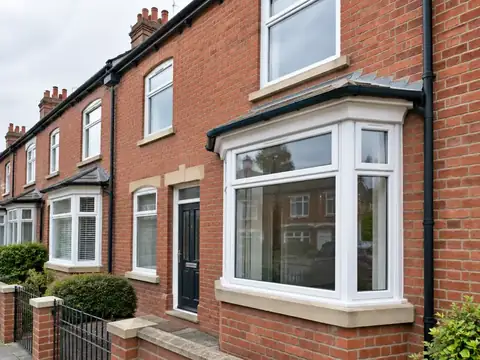
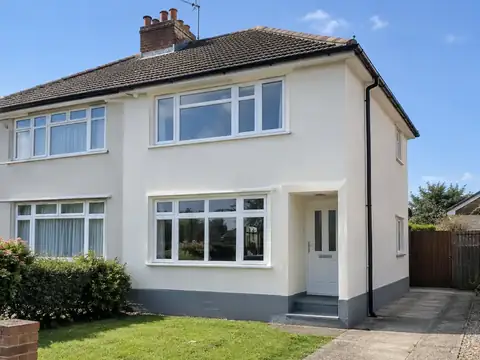
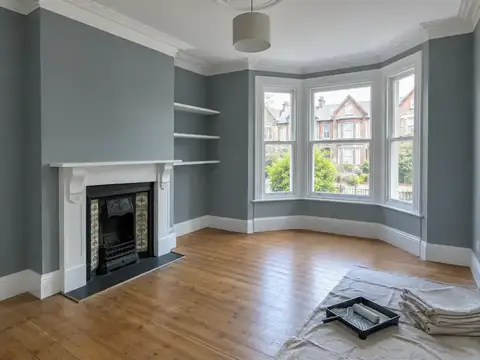
Newport has Victorian and Edwardian terraces and interwar suburbs, while valley towns such as Ebbw Vale, Abertillery and Blaenavon have stone terraces stepped along steep hillsides. Monmouth and Abergavenny keep Georgian centres, and Cwmbran was built as a post-war new town with planned estates.
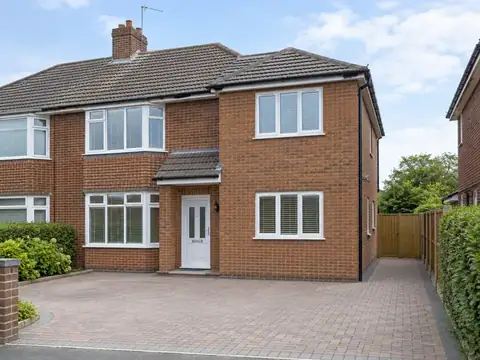
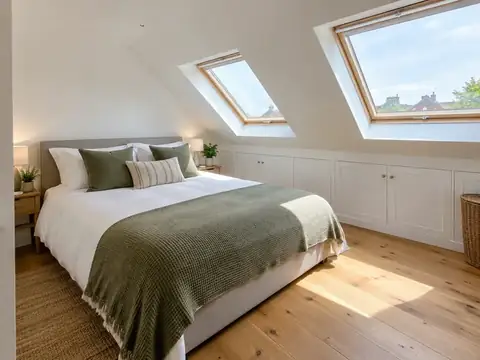
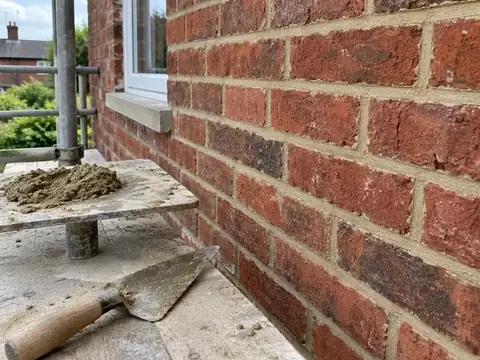
Valley terraces commonly need repointing, roof work and window replacement, and steep plots can make extensions more involved. Newport terraces suit loft rooms, while Cwmbran homes often take garage conversions and cladding upgrades.
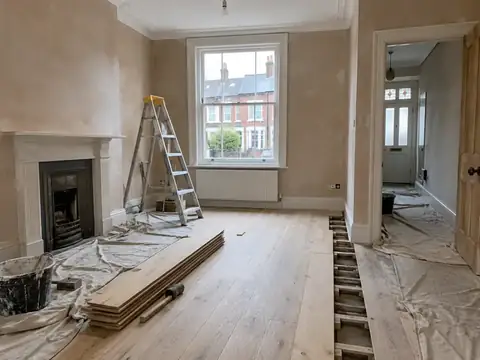
These patterns matter for home improvements: older walls, roofs and floors in Pontypool can need different materials or extra preparation compared with newer homes.
Planning and building rules for Pontypool
Pontypool is in Wales, so the planning and building rules set out below are the ones that apply. We confirm the details with the council before we quote.
In Wales, councils decide planning applications under Welsh rules, and permitted development limits differ in places from England’s. Building Regulations in Wales are set by the Welsh Government and checked by building control.
Common questions
Do you cover Cwmbran, Risca and Blackwood?
Yes. As well as Pontypool, we cover Cwmbran, Risca and Blackwood and the rest of Gwent. Our coverage is UK-wide, so the process is the same wherever you are: a free site survey, a quote in writing that fixes the price for the agreed scope, and one point of contact while the work is planned and carried out.
Do I need planning permission in Pontypool?
It depends on the work, the size of the project, your property type and whether the building is listed or in a conservation area. Pontypool is in Wales, so Wales's rules apply. Many smaller jobs need no planning application, but some still need building control approval. We check what applies to your address before quoting.
Which postcodes in Pontypool do you cover?
We cover NP4, along with the rest of Gwent. If your postcode is not listed, get in touch anyway: our coverage is UK-wide, and we can usually arrange a survey wherever you live. Enter your postcode in the guide-price tool or contact form and we will confirm.
Can I stay at home during the work?
In most cases, yes. Most people can live at home throughout, and we plan the work to keep disruption down by protecting floors, agreeing working hours and keeping access routes clear. Bigger jobs affecting kitchens, bathrooms or heating may mean a short spell with reduced facilities, and we talk this through with you at the survey.
What happens at the survey?
We visit your home at a time that suits you, look at the area involved, take measurements and check access, condition and any services that might be affected. We talk through what you want from your project, explain the options and answer questions. There is no charge and no obligation; afterwards we send a written quote.