
Homes in and around Newton-le-Willows
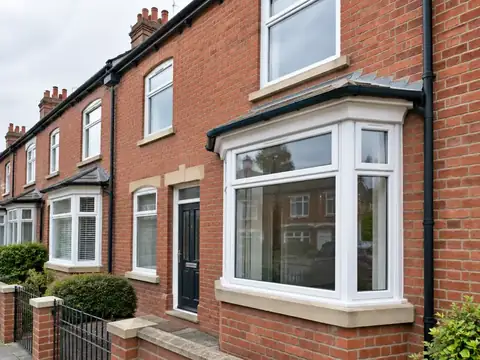
Liverpool's housing includes Georgian terraces near the centre, large areas of Victorian red-brick terraces, Edwardian semis in the suburbs and big interwar council estates. The Wirral has Victorian villas and interwar semis, Southport has Victorian villas and bungalows, and St Helens and Knowsley have post-war estates and newer housing.
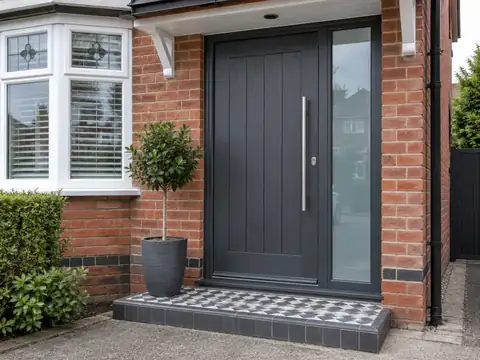
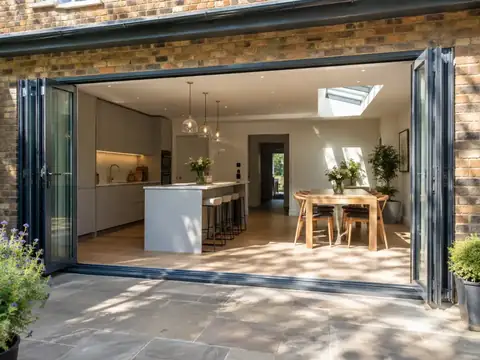
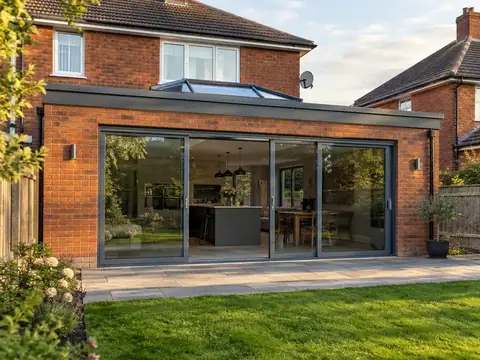
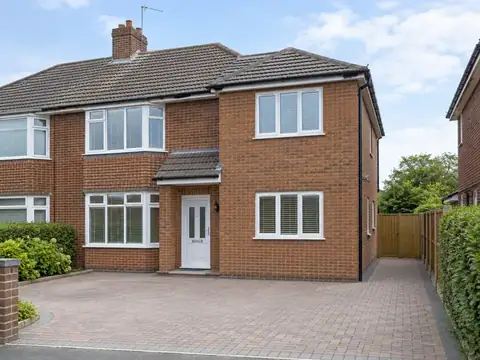
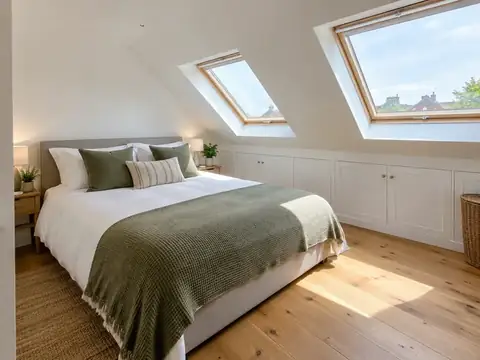
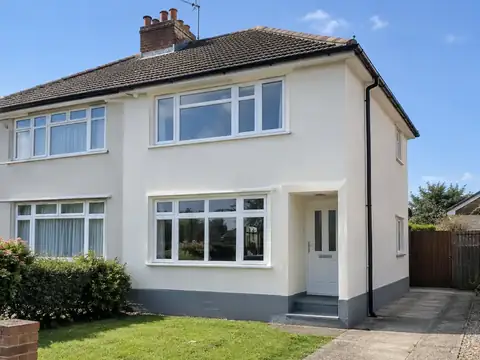
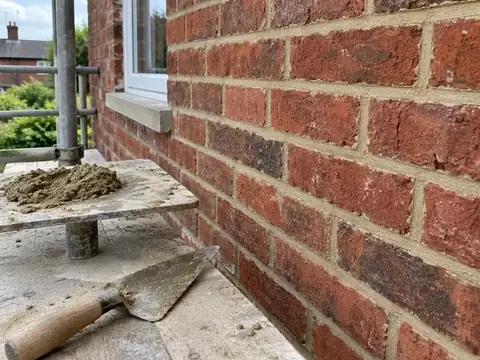
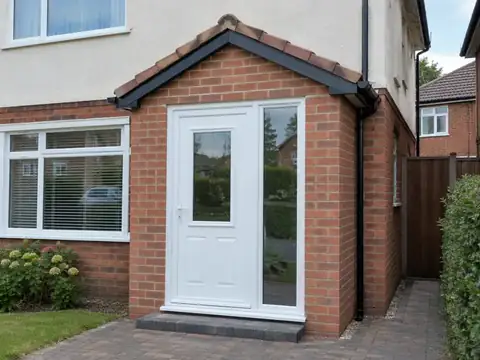
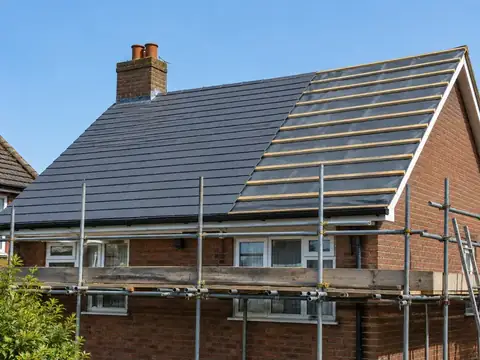
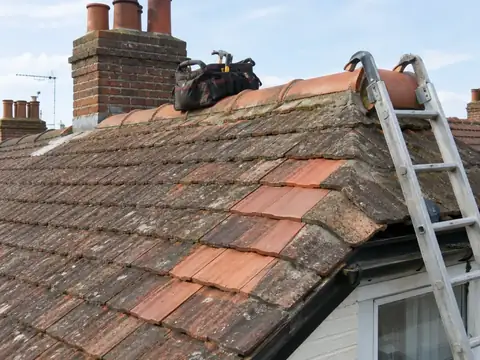
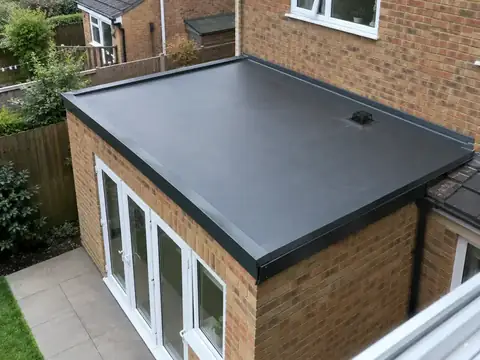
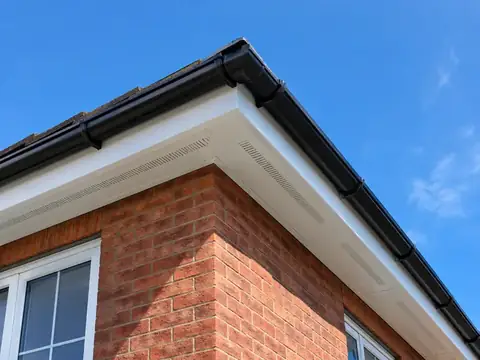
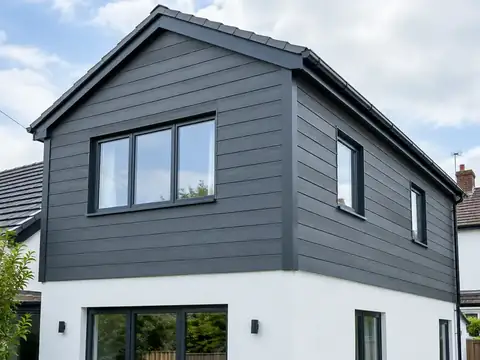
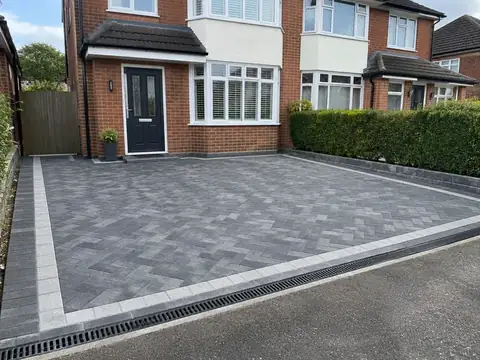
Terraces suit loft rooms, kitchen extensions and repointing, and many need their roofs and windows renewed. Suburban semis commonly take side extensions, driveways and porches.
With that background in mind, here is how we typically handle home improvements for homes in Newton-le-Willows, from the first visit to the finished result.
Planning and building rules for Newton-le-Willows
The notes below cover England, which is where Newton-le-Willows sits. Rules change and every property is different, so we speak to the council before pricing your job.
In England, planning applications go to your local council, and many smaller extensions, loft conversions and outdoor jobs are permitted development. Conservation areas, listed buildings and Article 4 directions remove some of those rights. Building Regulations approval comes from council building control or a registered building control approver, or through a competent person scheme for certain trades.
Frequently asked questions
Do you cover Golborne, Ashton in Makerfield and Warrington?
Yes. As well as Newton-le-Willows, we cover Golborne, Ashton in Makerfield and Warrington and the rest of Merseyside. Our coverage is UK-wide, so the process is the same wherever you are: a free site survey, a quote in writing that fixes the price for the agreed scope, and one point of contact while the work is planned and carried out.
Do I need planning permission in Newton-le-Willows?
It depends on the work, the size of the project, your property type and whether the building is listed or in a conservation area. Newton-le-Willows is in England, so England's rules apply. Many smaller jobs need no planning application, but some still need building control approval. We check what applies to your address before quoting.
Can I stay at home during the work?
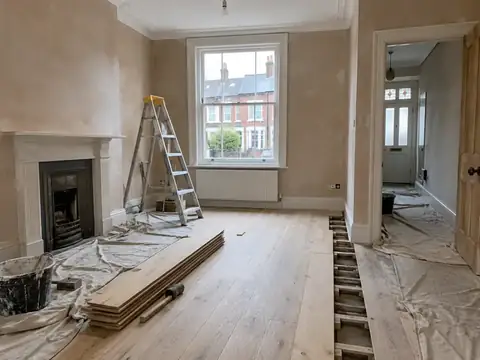
In most cases, yes. Most people can live at home throughout, and we plan the work to keep disruption down by protecting floors, agreeing working hours and keeping access routes clear. Bigger jobs affecting kitchens, bathrooms or heating may mean a short spell with reduced facilities, and we talk this through with you at the survey.
What happens at the survey?
We visit your home at a time that suits you, look at the area involved, take measurements and check access, condition and any services that might be affected. We talk through what you want from your project, explain the options and answer questions. There is no charge and no obligation; afterwards we send a written quote.
Who do I deal with during the job?
One point of contact manages your project from survey to handover. They schedule the trades working under our contract, keep you updated on progress, and are the person to call with any question. You don't need to coordinate builders, electricians or decorators separately, because that is part of what we do.