
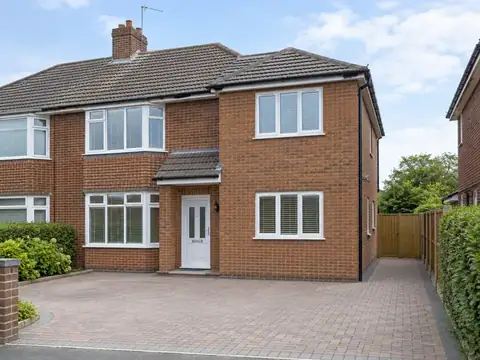
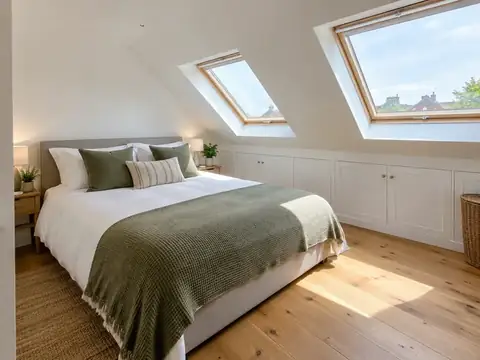
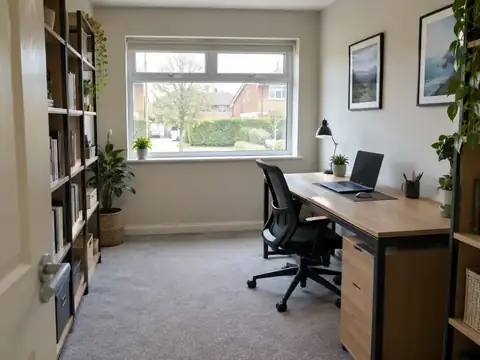
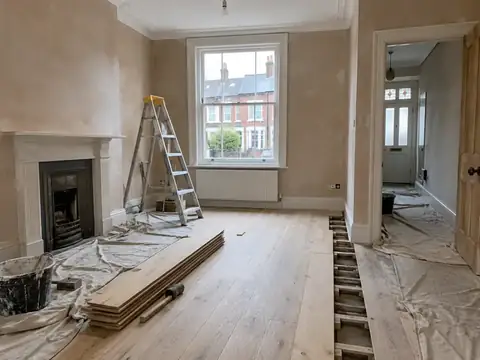
Building work in Jarrow
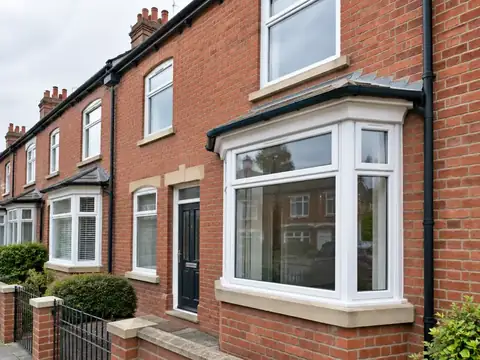
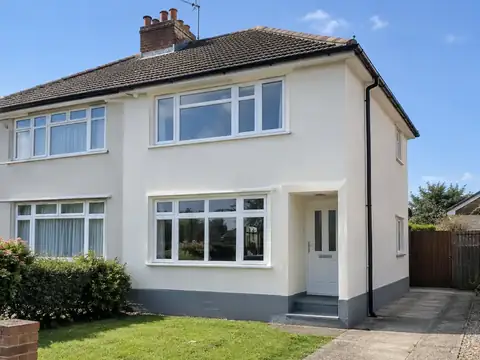
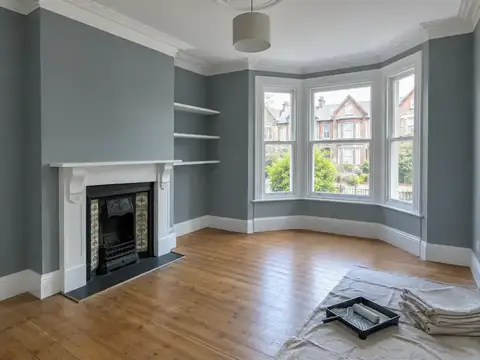
Tyneside flats, pairs of upper and lower flats behind a terraced front, are a distinctive feature of Newcastle and Gateshead. Sunderland is known for its single-storey terraced 'Sunderland cottages', and both cities have Victorian brick and stone terraces, interwar estates and post-war housing. Washington was built as a new town from the 1960s.
Cold North Sea winds and sea frets affect the coast at Tynemouth and South Shields, and former coal workings underlie parts of the area.
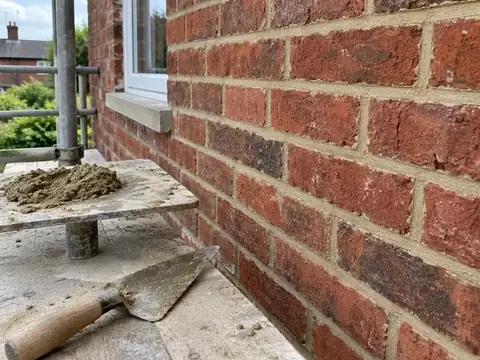
Whatever era your Jarrow home dates from, we plan home improvements around how it is actually built rather than a one-size-fits-all specification.
Planning and building rules for Jarrow
As Jarrow is in England, read the following with that system of planning and building control in mind. We check what applies to your house with the council before you receive a quote.
In England, planning applications go to your local council, and many smaller extensions, loft conversions and outdoor jobs are permitted development. Conservation areas, listed buildings and Article 4 directions remove some of those rights. Building Regulations approval comes from council building control or a registered building control approver, or through a competent person scheme for certain trades.
Frequently asked questions
Do you cover Hebburn, Wallsend and South Shields?
Yes. As well as Jarrow, we cover Hebburn, Wallsend and South Shields and the rest of Tyne and Wear. Our coverage is UK-wide, so the process is the same wherever you are: a free site survey, a quote in writing that fixes the price for the agreed scope, and one point of contact while the work is planned and carried out.
Which postcodes in Jarrow do you cover?
We cover NE28, NE29, NE31 and NE32, along with the rest of Tyne and Wear. If your postcode is not listed, get in touch anyway: our coverage is UK-wide, and we can usually arrange a survey wherever you live. Enter your postcode in the guide-price tool or contact form and we will confirm.
Can I stay at home during the work?
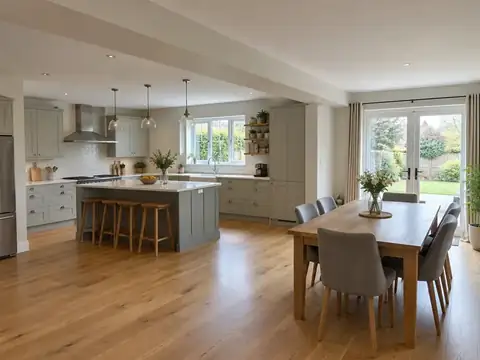
In most cases, yes. Most people can live at home throughout, and we plan the work to keep disruption down by protecting floors, agreeing working hours and keeping access routes clear. Bigger jobs affecting kitchens, bathrooms or heating may mean a short spell with reduced facilities, and we talk this through with you at the survey.
What happens at the survey?
We visit your home at a time that suits you, look at the area involved, take measurements and check access, condition and any services that might be affected. We talk through what you want from your project, explain the options and answer questions. There is no charge and no obligation; afterwards we send a written quote.
Who do I deal with during the job?
One point of contact manages your project from survey to handover. They schedule the trades working under our contract, keep you updated on progress, and are the person to call with any question. You don't need to coordinate builders, electricians or decorators separately, because that is part of what we do.