
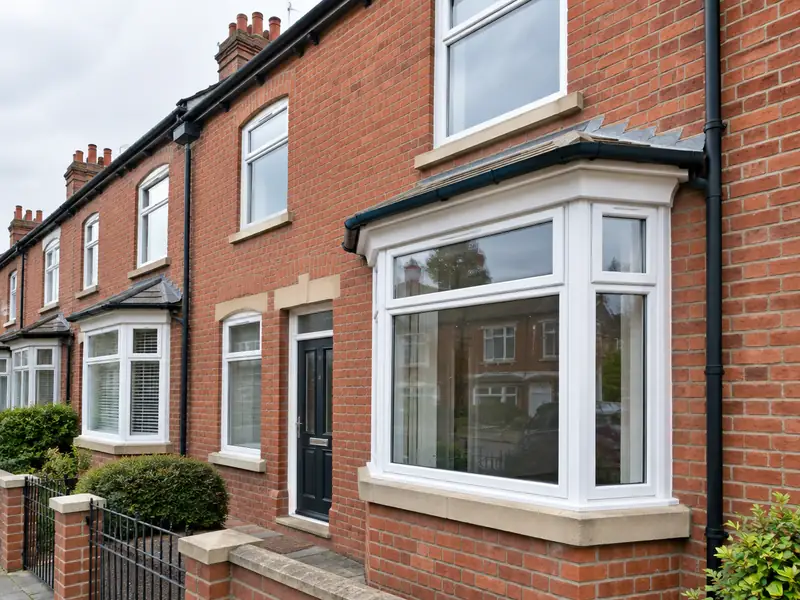
Replacement windows are new frames and sealed double- or triple-glazed units fitted into your existing openings after the old windows are taken out, improving warmth, security and noise reduction while meeting current building regulations.
In Lincolnshire, we price replacement windows against our guide for the East Midlands, £4,300–£8,600 including VAT, then adjust it once we have surveyed your home. We work across Lincoln, Grimsby, Scunthorpe and Boston and the rest of the county or region. Planning and building control requirements follow the rules for England, and we look into your property's position before a written quote is sent.
- Guide price
- £4,300–£8,600 inc VAT
- Time on site
- 1–2 days on site for a typical house
- Planning rules
- England
- Price level
- About 4% below the national guide
- Towns listed
- 10
- Survey
- Free, with a written quote
Replacement windows prices in Lincolnshire
To help you plan, we show what replacement windows typically costs in Lincolnshire instead of holding figures back for a sales call. The range is £4,300–£8,600 with VAT, using rates in the East Midlands that are about 4% below the national guide. A free survey then fixes your actual price.
| Type of job | What it usually involves | Guide in Lincolnshire |
|---|---|---|
| One to three windows | Replacing a few problem windows, such as a bay or a rotten kitchen window, in uPVC. | £650–£2,900 |
| Whole house in uPVC | Eight to ten standard uPVC casement windows on a typical 3-bed semi, fitted and finished. | £4,300–£7,200 |
| Whole house in aluminium or flush sash | Premium frames, colours or period styles across a typical 3-bed home. | £7,200–£13,500 |
What moves the price up or down:
- Number and size of windows, including bays and large picture windows
- Glazing type: double, triple, acoustic, obscure or toughened
- Window style, such as sash, flush sash or tilt-and-turn
- Upper-floor access, scaffolding and the condition of reveals and sills
What do you get?
- Double-glazed units as standard, with triple glazing as an option
- Careful removal and disposal of the old frames and glass
- Fixings, packers, foam and weather seals to suit your wall type
- New internal trims, external cills and neat sealant finishing
- Trickle vents, escape hinges and safety glass where regulations require
- Building regulations sign-off arranged and paperwork handed over
Housing across Lincolnshire
Lincoln has limestone buildings on the hill and Victorian brick terraces below, and Stamford is known for its Georgian limestone streets. Red brick and clay pantiles are common across villages, Grimsby and Cleethorpes have Victorian terraces, and the coast from Skegness to Mablethorpe has many bungalows and holiday-era homes.
Bungalows often suit loft conversions and extensions; terraces take rear extensions and window replacement. Pantile roofs may need careful re-roofing, and stone properties call for lime pointing and suitable repairs.
Lincolnshire is flat and open, with cold easterly winds off the North Sea and flood risk on the coast and in the fens.
Do you need permission in Lincolnshire?
Each UK nation sets its own consent rules, and Lincolnshire is in England. What follows is a plain summary; we check the specifics for your property with the council before pricing anything.
Replacing windows and doors on a house is usually permitted development in England when the new ones look broadly similar to the old. Flats, listed buildings and homes covered by an Article 4 direction can need consent, and conservation areas may limit materials or styles.
Replacement windows and external doors must meet Building Regulations for energy efficiency, ventilation and, on upper floors, escape. The work is either self-certified by an installer registered with a competent person scheme or signed off by building control.
Rules change and every property is different, so we check the planning history and constraints for your address before we quote.
The four stages
A visit to your home
Book a visit and we'll come to you. The survey covers measurements, the state of what's there now and any obvious constraints, so the price that follows is based on your actual home, not an average.
Written quote
The quote arrives in writing, not over the phone. It covers the full scope, the finishes you've chosen, any exclusions and the payment schedule, with a fixed price tied to that specification.
Plan and prepare
With the quote agreed, we book the work in and handle preparation: permissions where needed, building control notifications, material orders and access arrangements for your Lincolnshire property.
The work itself
Our trades complete replacement windows while your point of contact keeps you updated. When everything is finished, we clear the site, take away waste and go through the result with you before handover.
What you can expect from us
Frequently asked questions
Do I need planning permission in Lincolnshire?
It depends on the work, the size of the project, your property type and whether the building is listed or in a conservation area. Lincolnshire is in England, so England's rules apply. Many smaller jobs need no planning application, but some still need building control approval. We check what applies to your address before quoting.
Will new windows stop condensation?
New windows reduce condensation on the glass because the inner pane stays warmer, but they do not remove the moisture in the air that causes it. Modern frames are also more airtight, so ventilation matters more after replacement. We fit trickle vents where regulations require them, and we suggest using extractor fans and opening windows regularly. If walls are damp or mouldy, it is worth looking at ventilation and heating at the same time.
What happens on the day the windows are fitted?
On fitting day we lay dust sheets, protect floors and furniture near each window, and then remove the old frame carefully to limit damage to plaster. The new frame is fixed, packed, sealed and glazed, and internal trims and external cills are finished. We take away the old windows and clean the glass before leaving. You only need to clear sills and take down curtains and blinds.
Can you combine replacement windows with other work?
Yes. Because we manage several trades under one contract, we can plan replacement windows alongside other work on your Lincolnshire home, such as new windows with rendering, or a kitchen refit with an extension. Combining jobs can reduce repeat set-up such as scaffolding, skips and access, and every element is listed and priced in the same written quote.
How do I look after new uPVC or aluminium windows?
Caring for new windows is simple: wash frames and glass with warm soapy water a few times a year, avoiding abrasive cleaners and solvents. Clear the drainage slots at the bottom of the frame so rainwater can escape, and put a drop of light oil on hinges and locking points once a year. Check seals and the sealant around the outside every few years, and replace any that have cracked or shrunk.
Towns in Lincolnshire
Choose your town from the list to see how we price and plan replacement windows in your part of Lincolnshire, including typical time on site.