
Building work in Bangor, County Down
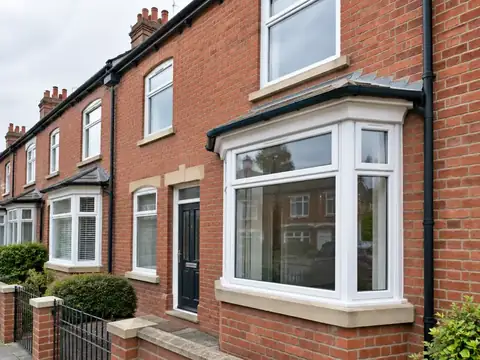
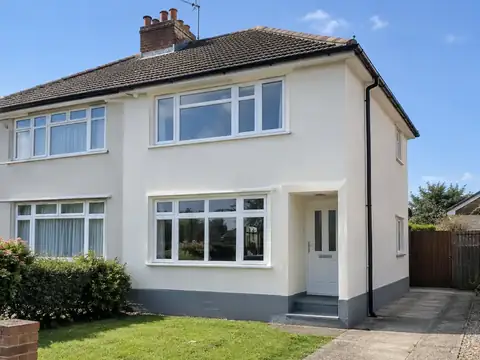
County Down takes in suburbs of Belfast, Bangor and Holywood with Victorian and Edwardian villas, and Newry, Downpatrick and Banbridge with older town centres and newer estates. Mourne granite appears in buildings around the mountains, and detached rural homes and bungalows are common across the county, often rendered or pebbledashed.
Coastal areas such as the Ards Peninsula face salt and wind, and the Mournes bring heavier rain and colder conditions.
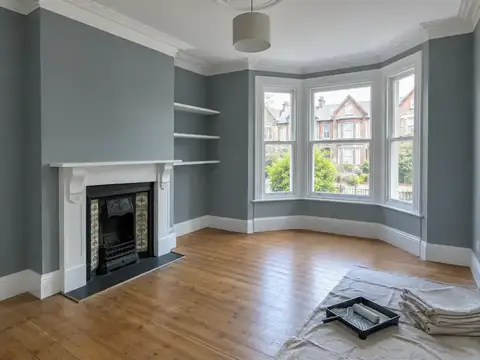
These patterns matter for home improvements: older walls, roofs and floors in Bangor, County Down can need different materials or extra preparation compared with newer homes.
Planning and building rules for Bangor, County Down
The notes below cover Northern Ireland, which is where Bangor, County Down sits. Rules change and every property is different, so we speak to the council before pricing your job.
In Northern Ireland, councils decide planning applications, and building control approval is given under the Building Regulations (Northern Ireland). Road consents, such as a dropped kerb, come from DfI Roads.
Frequently asked questions
Do you cover Newtownards, Carrickfergus and Newtownabbey?
Yes. As well as Bangor, County Down, we cover Newtownards, Carrickfergus and Newtownabbey and the rest of County Down. Our coverage is UK-wide, so the process is the same wherever you are: a free site survey, a quote in writing that fixes the price for the agreed scope, and one point of contact while the work is planned and carried out.
Do I need planning permission in Bangor, County Down?
It depends on the work, the size of the project, your property type and whether the building is listed or in a conservation area. Bangor, County Down is in Northern Ireland, so Northern Ireland's rules apply. Many smaller jobs need no planning application, but some still need building control approval. We check what applies to your address before quoting.
Can I stay at home during the work?
In most cases, yes. Most people can live at home throughout, and we plan the work to keep disruption down by protecting floors, agreeing working hours and keeping access routes clear. Bigger jobs affecting kitchens, bathrooms or heating may mean a short spell with reduced facilities, and we talk this through with you at the survey.
What happens at the survey?
We visit your home at a time that suits you, look at the area involved, take measurements and check access, condition and any services that might be affected. We talk through what you want from your project, explain the options and answer questions. There is no charge and no obligation; afterwards we send a written quote.
Who do I deal with during the job?
One point of contact manages your project from survey to handover. They schedule the trades working under our contract, keep you updated on progress, and are the person to call with any question. You don't need to coordinate builders, electricians or decorators separately, because that is part of what we do.