
Housing in Kent
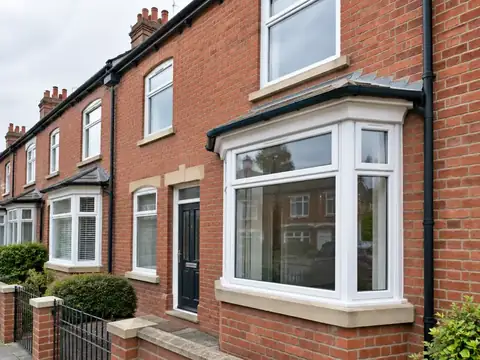
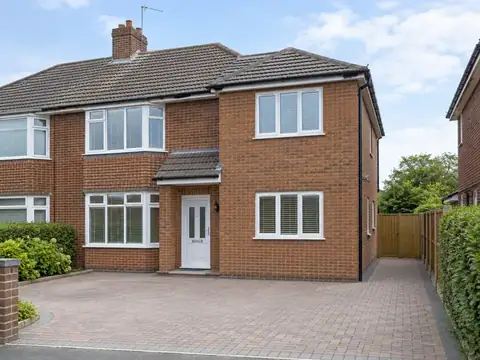
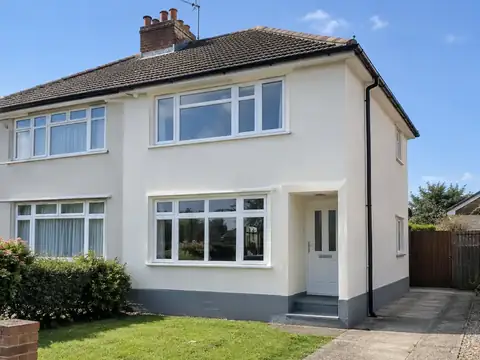
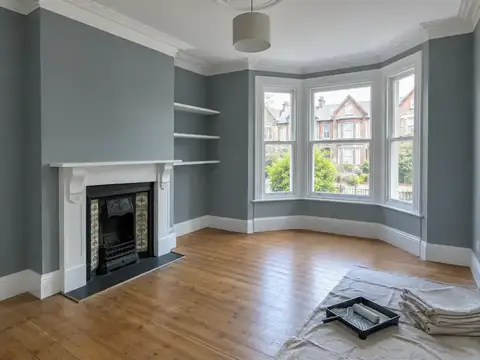
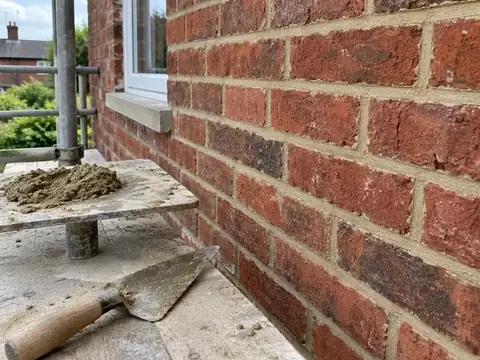
Kent's older buildings include oast houses, weatherboarded cottages, Wealden timber-framed houses and Kentish ragstone walls. Medway towns have long rows of Victorian terraces, Margate and Ramsgate have Regency and Victorian seafronts, and Ashford, Maidstone and Dartford have seen large new estates alongside interwar and post-war housing.
One of England's sunnier, drier counties, but Thanet and the coast are windy, and Weald and London Clay soils can shrink in summer.
None of this holds for every street in Tunbridge Wells, which is why we look at your actual house before pricing home improvements rather than assuming from its age alone.
Planning and building rules for Tunbridge Wells
Because Tunbridge Wells falls under England's rules, the guidance below is the version relevant to you. Before sending a price, we check your property's position with the council.
In England, planning applications go to your local council, and many smaller extensions, loft conversions and outdoor jobs are permitted development. Conservation areas, listed buildings and Article 4 directions remove some of those rights. Building Regulations approval comes from council building control or a registered building control approver, or through a competent person scheme for certain trades.
Questions from homeowners in Tunbridge Wells
Do I need planning permission in Tunbridge Wells?
It depends on the work, the size of the project, your property type and whether the building is listed or in a conservation area. Tunbridge Wells is in England, so England's rules apply. Many smaller jobs need no planning application, but some still need building control approval. We check what applies to your address before quoting.
Which postcodes in Tunbridge Wells do you cover?
We cover TN1, TN2, TN3 and TN4, along with the rest of Kent. If your postcode is not listed, get in touch anyway: our coverage is UK-wide, and we can usually arrange a survey wherever you live. Enter your postcode in the guide-price tool or contact form and we will confirm.
What happens at the survey?
We visit your home at a time that suits you, look at the area involved, take measurements and check access, condition and any services that might be affected. We talk through what you want from your project, explain the options and answer questions. There is no charge and no obligation; afterwards we send a written quote.
Is the price fixed?
Yes, for the specification we agree. Your written quote sets out exactly what is included at a fixed price. It only changes if you ask for something different, or if a problem the survey could not reasonably reveal later needs extra work. In either case we explain the change and confirm it in writing before going ahead.
Who do I deal with during the job?
One point of contact manages your project from survey to handover. They schedule the trades working under our contract, keep you updated on progress, and are the person to call with any question. You don't need to coordinate builders, electricians or decorators separately, because that is part of what we do.