
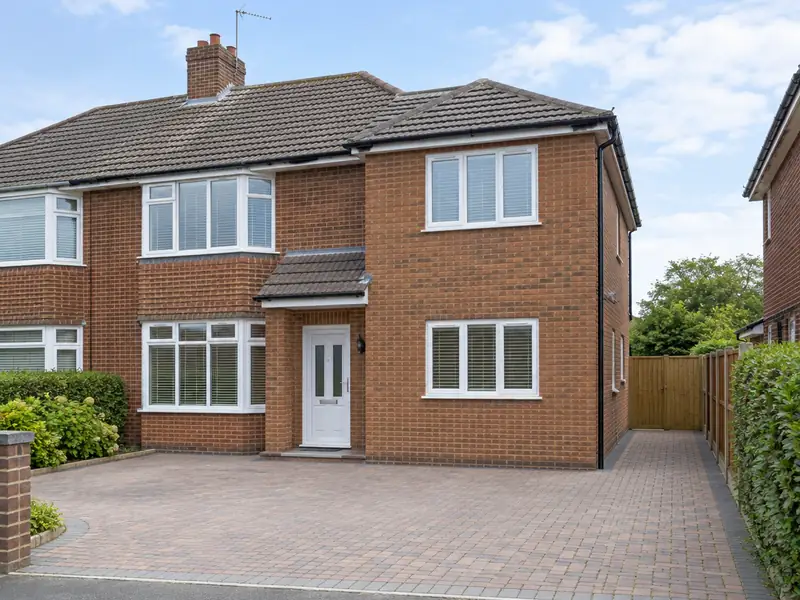
A double-storey extension adds two floors of new space to your house in one build, typically a larger kitchen or living room downstairs with an extra bedroom, bathroom or en-suite above, sharing one set of foundations and one roof.
Homeowners in Bridgend usually consider a double-storey extension for one of a few reasons: something has worn out, the house no longer suits the way they live, or they are getting it ready to sell. We visit, agree a specification and put a fixed price in writing. Most jobs like this take 14–22 weeks on site, and we work across Mid Glamorgan, including Porthcawl, Llantwit Major and Maesteg.
- Guide price
- £55,000–£110,000 inc VAT
- Time on site
- 14–22 weeks on site
- Postcodes
- CF31
- Planning rules
- Wales
- Local area
- Mid Glamorgan
- Survey
- Free, with a written quote
What should you budget for a double-storey extension in Bridgend?
Every figure below is a guide for a double-storey extension in Bridgend, inclusive of VAT. Regional pricing for Wales works out about 8% below the national guide, and the overall span is £55,000–£110,000. The survey costs you nothing, and after it we commit to a firm price for your specification in writing.
| Type of job | What it usually involves | Guide in Bridgend |
|---|---|---|
| Small (15–20m² total) | A compact rear or side extension adding a small room on each floor. | £37,000–£60,000 |
| Typical (30–40m² total) | A larger kitchen or living room below with a double bedroom or en-suite above. | £55,000–£110,000 |
| Large (50m² plus total) | Wide or deep extensions, often with a new bathroom, steelwork and high-spec glazing. | £92,000–£166,000 |
Expect these to shape the final quote:
- How the new roof joins the existing roof
- Bathrooms, en-suites and plumbing on the upper floor
- Foundation depth, ground conditions and drains to divert
- Scaffolding duration, access and the level of finishes
What does the job include in Bridgend?
- Groundworks, foundations and below-ground drainage
- Insulated cavity walls with brick or render to match the house
- First-floor joists, stud walls and new openings upstairs
- Roof structure tied into the existing roof, tiled to match
- Electrics, plumbing and heating by qualified trades, with certificates
- Building control inspections and completion certificate
Homes in Mid Glamorgan
The Rhondda, Cynon and Merthyr valleys are lined with stone terraces built for mining families, stepped along steep hillsides. Pontypridd, Caerphilly and Merthyr Tydfil have Victorian centres, and Bridgend has grown with large modern estates alongside interwar and post-war housing.
The valleys get heavy rainfall and steep, sloping sites are common, so drainage, retaining walls and render specification matter.
Knowing the typical building types in Mid Glamorgan helps, but a survey of your own home in Bridgend is what decides the right approach to a double-storey extension.
Do you need permission in Bridgend?
The notes below cover Wales, which is where Bridgend sits. Rules change and every property is different, so we speak to the council before pricing your job.
In Wales, two-storey extensions are tightly limited under permitted development, including distance to the rear boundary, so most need planning permission.
Building Regulations approval is needed in Wales, and the Party Wall etc. Act 1996 applies to work on or near shared walls.
Rules change and every property is different, so we check the planning history and constraints for your address before we quote.
The four stages
A visit to your home
A free survey comes first. It gives us what we need to price a double-storey extension properly, including dimensions, existing materials and access for deliveries, and gives you the chance to ask anything you like.
Written quote
Next you receive a written quote with a fixed price for the agreed specification. It lists what is included, what is not, and how payments are staged, so you can compare it properly.
Plan and prepare
With the quote agreed, we book the work in and handle preparation: permissions where needed, building control notifications, material orders and access arrangements for your Bridgend property.
Build and hand over
Our trades complete a double-storey extension while your point of contact keeps you updated. When everything is finished, we clear the site, take away waste and go through the result with you before handover.
How we work
Frequently asked questions
Which postcodes in Bridgend do you cover?
We cover CF31, along with the rest of Mid Glamorgan. If your postcode is not listed, get in touch anyway: our coverage is UK-wide, and we can usually arrange a survey wherever you live. Enter your postcode in the guide-price tool or contact form and we will confirm.
Will the extension affect my neighbours?
A double-storey extension can affect neighbours' light, outlook and privacy, which is why planning departments look closely at height, depth and window positions. Side windows facing neighbours often need obscure glass. Work near a shared wall may also need party wall notices; the Party Wall etc. Act 1996 applies in England and Wales only. We talk through these points early so the design is realistic.
How much does a double-storey extension cost?
A typical double-storey extension of 30–40m² across both floors costs £55,000–£110,000, built to a plastered finish. As a rough guide, allow around £1,400–£2,600 per square metre plus fixed costs for groundworks, scaffolding and fees. The second storey usually costs less per square metre than the first, because foundations and roof are shared. Bathrooms upstairs and a complex roof add most. We confirm a fixed price after the survey.
Do I need planning permission for a two-storey extension?
Most two-storey extensions need planning permission, but it depends on the size, height and position, your home's location, whether it is listed or in a conservation area, and which UK nation you are in. In England, a two-storey rear extension can sometimes be built under permitted development if it is no deeper than 3m and at least 7m from the rear boundary. We check what applies before quoting.
Can I stay at home during the work?
In most cases, yes. Most people can live at home throughout, and we plan the work to keep disruption down by protecting floors, agreeing working hours and keeping access routes clear. Bigger jobs affecting kitchens, bathrooms or heating may mean a short spell with reduced facilities, and we talk this through with you at the survey.
Nearby towns
Bridgend and its CF31 postcodes are part of our coverage. Homeowners in Porthcawl, Llantwit Major and Maesteg can also book a free survey with us and receive a written price for their job.