
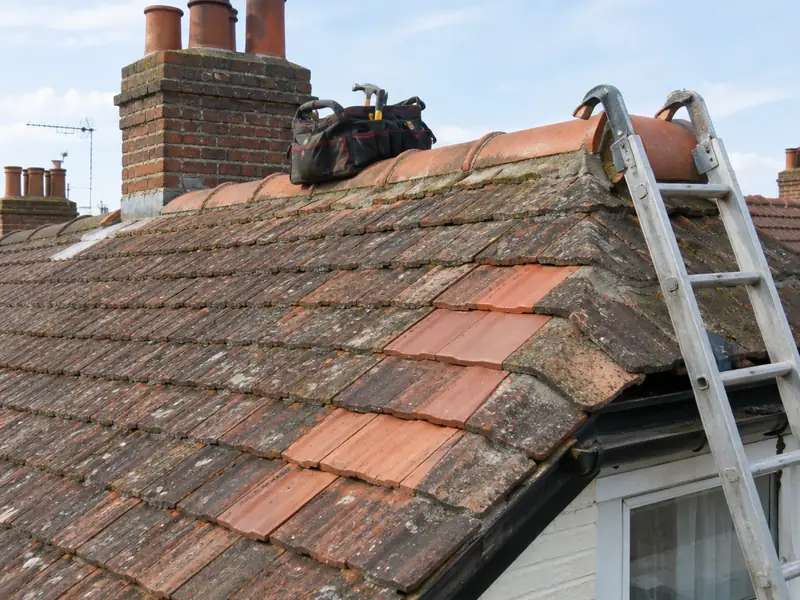
Roof repairs fix specific faults in a pitched or flat roof, such as slipped or cracked tiles, loose ridges, failed flashing, leaking valleys or chimney defects, to stop water getting in without replacing the whole roof.
Looking for roof repairs in Cumbria? We organise the whole job, bringing in the trades it needs under one agreement, and you have a single contact. We cover Carlisle, Barrow-in-Furness, Kendal and Whitehaven, along with villages and suburbs nearby. The rules in England decide what consents are needed, and our guide range of £300–£1,400 including VAT gives you a realistic starting point for a budget.
- Guide price
- £300–£1,400 inc VAT
- Time on site
- Half a day to 3 days for most repairs
- Planning rules
- England
- Price level
- About 5% below the national guide
- Towns listed
- 5
- Survey
- Free, with a written quote
How much do roof repairs cost in Cumbria?
Use the table to gauge the cost of roof repairs in Cumbria before we visit. Figures include VAT and are scaled for the North West, coming out about 5% below the national guide, which gives £300–£1,400 overall. After a free survey, you receive a fixed written price.
| Type of job | What it usually involves | Guide in Cumbria |
|---|---|---|
| Minor repair | Replacing a handful of slipped or broken tiles from ladders or a roof ladder. | £200–£500 |
| Ridge, flashing or valley repair | Rebedding a ridge run, renewing flashing or relining a short valley. | £400–£1,150 |
| Larger repair with scaffolding | Several faults, chimney work or repairs on high roofs needing scaffolding. | £950–£2,800 |
Your price depends mostly on:
- Number and type of faults to repair
- Access: ladders, roof ladders, towers or full scaffolding
- Matching tiles, slates or lead to the existing roof
- Hidden damage to battens, felt or timbers found during repair
Scope of the work
- Inspection to trace the source of leaks or damage
- Photos of the problem areas and a clear written explanation
- Ridge, hip and verge rebedding or dry-fix conversion
- Lead flashing, valley and chimney junction repairs
- Temporary weatherproofing where a full repair must wait
- Clearing debris from gutters and the work area
Homes in Cumbria
Lake District villages are built largely of slate and rubble stone, often finished in roughcast or limewash, under slate roofs. Kendal is known for grey limestone and Penrith for red sandstone, Carlisle has sandstone and brick terraces, and west coast towns such as Barrow, Workington and Whitehaven have Victorian industrial terraces and post-war estates.
Stone cottages often need lime pointing, roof slating and breathable render. Industrial terraces can gain space through attic conversions and rear extensions, while rural homes commonly add porches, driveways and window upgrades.
Cumbria is among the wettest parts of England, and high ground and west-facing coasts see severe wind-driven rain, so exposure ratings matter for render and pointing.
Do you need permission in Cumbria?
England, Wales, Scotland and Northern Ireland each handle planning a little differently. Cumbria comes under England, covered below, and we raise any questions with the council before your quote is finalised.
Re-roofing a house with similar materials does not usually need planning permission in England. Listed buildings and conservation areas may need consent if the covering changes.
Replacing more than a quarter of a roof’s covering counts as renovation under Building Regulations, so the work is notified and the roof insulation may need upgrading. Bats are protected across the UK; if they roost under roof tiles, soffits or fascias, work stops and a licensed ecologist advises before it restarts.
Rules change and every property is different, so we check the planning history and constraints for your address before we quote.
How does the job run?
A visit to your home
First, someone visits your home in Cumbria to see the space, take measurements and note anything that could affect the work, such as access or the condition of what is there. There is no charge for this visit.
Quote in writing
The quote arrives in writing, not over the phone. It covers the full scope, the finishes you've chosen, any exclusions and the payment schedule, with a fixed price tied to that specification.
Plan and prepare
Preparation matters as much as the build. We agree access, parking and working hours with you, order materials in good time, and confirm any permissions so the job isn't held up once it starts.
Build and hand over
Our trades complete roof repairs while your point of contact keeps you updated. When everything is finished, we clear the site, take away waste and go through the result with you before handover.
How we work
Frequently asked questions
Can you do an emergency roof repair?
After storm damage, a temporary repair such as sheeting or refixing loose tiles can stop water getting in until a permanent repair can be made. We aim to attend as quickly as possible, but availability depends on weather and demand, especially after widespread storms. In the meantime, catch drips in containers, move valuables and switch off lights near any wet ceiling.
Which postcodes in Cumbria do you cover?
We cover CA1, LA13, LA8 and CA28, along with the rest of Cumbria. If your postcode is not listed, get in touch anyway: our coverage is UK-wide, and we can usually arrange a survey wherever you live. Enter your postcode in the guide-price tool or contact form and we will confirm.
How much does a roof repair cost?
A typical roof repair, such as replacing slipped tiles, rebedding a ridge or renewing flashing, costs £300–£1,400. Small repairs reachable by ladder sit at the lower end, while jobs needing scaffolding or several repairs cost more. Matching old tiles or slates and hidden damage to battens can also affect the price. We explain what we find and confirm a fixed price before starting.
Who do I deal with during the job?
One point of contact manages your project from survey to handover. They schedule the trades working under our contract, keep you updated on progress, and are the person to call with any question. You don't need to coordinate builders, electricians or decorators separately, because that is part of what we do.
Will my home insurance pay for the repair?
Home insurance policies often cover sudden storm damage but usually exclude wear and tear or gradual deterioration. If you think the damage is storm-related, contact your insurer before repairs, apart from urgent temporary work, and take photos. We can provide a written report and photographs describing the damage and cause to help with your claim. The insurer decides what is covered.
Towns in Cumbria
These are the towns in Cumbria where you can book a free survey for roof repairs. Each has its own page with guide prices and coverage details.