
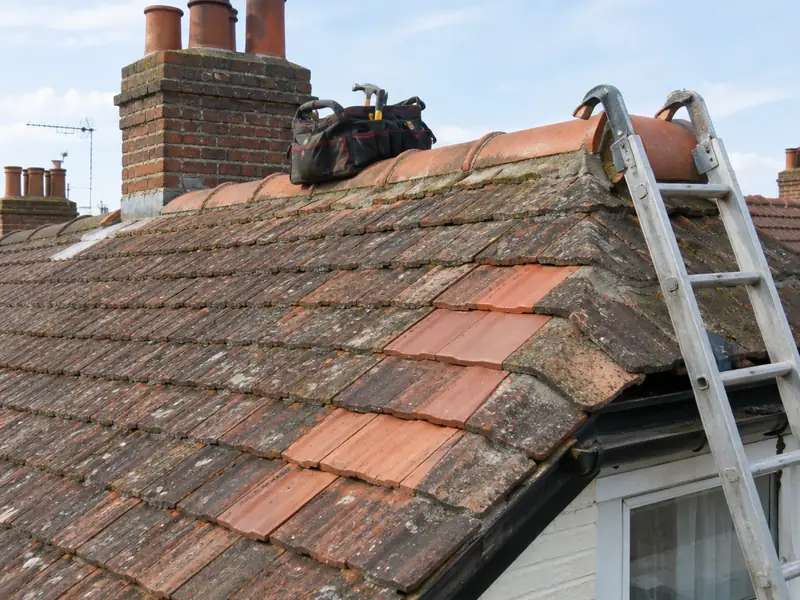
Roof repairs fix specific faults in a pitched or flat roof, such as slipped or cracked tiles, loose ridges, failed flashing, leaking valleys or chimney defects, to stop water getting in without replacing the whole roof.
Every house in Southsea is a little different, so we never price roof repairs from a brochure. We look at the structure, access and existing finishes first, then put in writing a fixed figure for the scope we settle on. As a rough steer, homeowners in the South East should budget £350–£1,700 including VAT, with work typically taking Half a day to 3 days for most repairs.
- Guide price
- £350–£1,700 inc VAT
- Time on site
- Half a day to 3 days for most repairs
- Postcodes
- PO1, PO2, PO4, PO5 and PO12
- Planning rules
- England
- Local area
- Portsmouth
- Survey
- Free, with a written quote
Roof repairs prices in Southsea
What will roof repairs cost in Southsea? Our guide range is £350–£1,700 including VAT. That figure is adjusted for the South East, about 12% above the national guide, and is intended for planning a budget. A firm written price for your chosen specification follows a free survey at your home.
| Type of job | What it usually involves | Guide in Southsea |
|---|---|---|
| Minor repair | Replacing a handful of slipped or broken tiles from ladders or a roof ladder. | £200–£550 |
| Ridge, flashing or valley repair | Rebedding a ridge run, renewing flashing or relining a short valley. | £450–£1,350 |
| Larger repair with scaffolding | Several faults, chimney work or repairs on high roofs needing scaffolding. | £1,100–£3,400 |
The main things that change the figure:
- Number and type of faults to repair
- Access: ladders, roof ladders, towers or full scaffolding
- Roof height and steepness
- Hidden damage to battens, felt or timbers found during repair
Scope of the work
- Inspection to trace the source of leaks or damage
- Replacement of slipped, cracked or missing tiles and slates
- Ridge, hip and verge rebedding or dry-fix conversion
- Lead flashing, valley and chimney junction repairs
- Temporary weatherproofing where a full repair must wait
- Clearing debris from gutters and the work area
What are homes like around Southsea?
Southampton and Portsmouth have dense Victorian terraces, with plenty of post-war rebuilding after wartime bombing. Winchester keeps Georgian and medieval streets, Basingstoke expanded rapidly with 1960s and 1970s estates, and New Forest villages feature cob, thatch and brick. Brick and flint is common on the chalk downs, and new estates ring most towns.
Terraces suit loft rooms and side-return extensions; post-war and expanded-town homes often need window, roofline and cladding renewal. Cottages in the Forest may call for lime repairs and planning-sensitive windows.
In Southsea, as elsewhere in Hampshire, we take the building's age and construction into account before recommending anything, because both can change what is involved in roof repairs.
Permissions for roof repairs in Southsea
England, Wales, Scotland and Northern Ireland each handle planning a little differently. Southsea comes under England, covered below, and we raise any questions with the council before your quote is finalised.
Re-roofing a house with similar materials does not usually need planning permission in England. Listed buildings and conservation areas may need consent if the covering changes.
Replacing more than a quarter of a roof’s covering counts as renovation under Building Regulations, so the work is notified and the roof insulation may need upgrading. Bats are protected across the UK; if they roost under roof tiles, soffits or fascias, work stops and a licensed ecologist advises before it restarts.
Rules change and every property is different, so we check the planning history and constraints for your address before we quote.
The four stages
A visit to your home
We arrange a free site survey on a date convenient to you. We measure up, look at the existing structure and access, and discuss your plans for roof repairs so the price reflects your home.
Your fixed price
The quote arrives in writing, not over the phone. It covers the full scope, the finishes you've chosen, any exclusions and the payment schedule, with a fixed price tied to that specification.
Plan and prepare
Once you accept, we agree start dates, order materials and deal with any planning, building control or neighbour notices the job needs. You'll know who is coming and when before work begins.
On site to finish
Work goes ahead as scheduled and you deal with one contact throughout. When the last trade leaves, we clear and clean the site, talk you through what has been done and pass on any certificates and care instructions.
How we work
Frequently asked questions
Do I need scaffolding for a roof repair?
Not every roof repair needs scaffolding. Small repairs on low roofs can often be done safely from ladders and roof ladders, and towers suit some chimney and gable work. Repairs on two-storey roofs, steep slopes, chimneys or large areas usually need scaffolding for safe working, which adds cost. We choose the safest practical access and include it in the written quote.
Why is my roof leaking?
Roof leaks usually come from slipped or cracked tiles, failed flashing around chimneys and walls, leaking valleys, blocked gutters overflowing, or perished felt beneath the tiles. Water can travel along timbers before it drips, so the stain on your ceiling may not be directly under the fault. Condensation in the loft can also look like a leak. We trace the source before recommending a repair.
Is the price fixed?
Yes, for the specification we agree. Your written quote sets out exactly what is included at a fixed price. It only changes if you ask for something different, or if a problem the survey could not reasonably reveal later needs extra work. In either case we explain the change and confirm it in writing before going ahead.
What is dry-fix ridge and is it better than mortar?
Dry-fix ridge systems use screws, clips and weather seals instead of mortar to hold ridge and hip tiles in place. They avoid the cracking and loosening that mortar suffers over time, need less upkeep and are now common on new roofs. Mortar-bedded ridges suit some period or conservation-area roofs. We recommend the method that suits your roof and its location.
How long will roof repairs take?
On a typical home, allow Half a day to 3 days for most repairs. Larger projects, older buildings and extra work found once things are opened up can extend that, while simpler jobs may be shorter. Your quote includes an estimate of time on site, and your point of contact keeps you updated on the programme as the work progresses.
Also covering areas around Southsea
Homes across PO1, PO2, PO4 and PO5 in Southsea are within our coverage, as are those in Portsmouth, Gosport and Ryde. If you are just outside these areas, ask anyway, because we work right across the UK.