
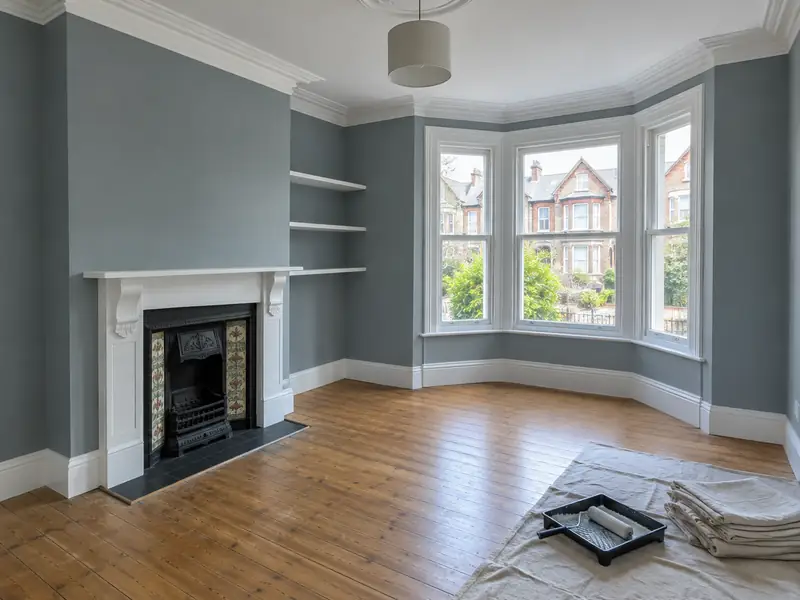
Painting and decorating is preparing and finishing the surfaces of a home, including filling, sanding, priming and painting walls, ceilings and woodwork, hanging wallpaper and painting exterior walls and joinery, to protect them and refresh how rooms look.
Cumbria is part of our UK-wide coverage for painting and decorating. Places we cover include Carlisle, Barrow-in-Furness, Kendal and Whitehaven, and we travel to smaller communities across the area as well. Since your property is in England, the relevant planning and building rules are the ones set there. In the North West, budget around £1,150–£2,800 with VAT; the figure is confirmed after a survey that costs you nothing.
- Guide price
- £1,150–£2,800 inc VAT
- Time on site
- 1–2 days per room; 3–7 days for a house exterior
- Planning rules
- England
- Price level
- About 5% below the national guide
- Towns listed
- 5
- Survey
- Free, with a written quote
Painting and decorating prices in Cumbria
These are guide costs, not quotes. For painting and decorating in Cumbria the range is £1,150–£2,800, VAT included, reflecting prices in the North West that are about 5% below the national guide. Once we have visited for a free survey, you get a firm figure for the scope you approve.
| Type of job | What it usually involves | Guide in Cumbria |
|---|---|---|
| Single room | Walls, ceiling and woodwork in one average bedroom or living room. | £350–£850 |
| House exterior | Masonry and joinery on a typical semi, including access equipment. | £2,400–£5,700 |
| Whole interior of a 3-bed house | Every room, hallway, stairs and landing, including woodwork. | £2,800–£6,200 |
What moves the price up or down:
- Number and size of rooms, including ceiling height
- Amount of preparation, filling and repairs needed
- Whether woodwork, doors and wallpaper are included
- Exterior access, scaffolding and the condition of surfaces
What do you get?
- Survey of each surface and agreed colours and finishes
- Floors, furniture and fittings protected with dust sheets and masking
- Filling cracks and holes, sanding and spot priming
- Mist coat on new plaster before finishing coats
- Wallpaper stripped or hung where included
- Furniture replaced, waste removed and a final tidy-up
Homes in Cumbria
Lake District villages are built largely of slate and rubble stone, often finished in roughcast or limewash, under slate roofs. Kendal is known for grey limestone and Penrith for red sandstone, Carlisle has sandstone and brick terraces, and west coast towns such as Barrow, Workington and Whitehaven have Victorian industrial terraces and post-war estates.
Stone cottages often need lime pointing, roof slating and breathable render. Industrial terraces can gain space through attic conversions and rear extensions, while rural homes commonly add porches, driveways and window upgrades.
Cumbria is among the wettest parts of England, and high ground and west-facing coasts see severe wind-driven rain, so exposure ratings matter for render and pointing.
Planning and building rules in Cumbria
The notes below cover England, which is where Cumbria sits. Rules change and every property is different, so we speak to the council before pricing your job.
Internal work such as a new kitchen, bathroom, flooring, plastering or decorating does not need planning permission in England, unless the house is listed, when listed building consent may be needed even for internal changes.
Some internal work is covered by Building Regulations: new electrical circuits and work in bathrooms (Part P), new drainage, structural changes, extractor ventilation and any new window. Notifiable work is certified by a registered installer or by building control.
Rules change and every property is different, so we check the planning history and constraints for your address before we quote.
How does the job run?
Survey and measure
A free survey comes first. It gives us what we need to price painting and decorating properly, including dimensions, existing materials and access for deliveries, and gives you the chance to ask anything you like.
Written quote
We put everything into a written, fixed-price quote: the specification, what's excluded, staged payments and the expected time on site. Take whatever time you need to decide; there's no pressure to commit.
Booking the work
Preparation matters as much as the build. We agree access, parking and working hours with you, order materials in good time, and confirm any permissions so the job isn't held up once it starts.
On site to finish
The job proceeds in the order set out in the programme, with dust and debris kept under control. Finally we tidy away, inspect the work together and pass the finished project over to you with its paperwork.
What you can expect from us
Frequently asked questions
How long does it take to decorate a room?
Decorating an average room usually takes one to two days, allowing time for preparation, a mist coat or primer where needed and two finishing coats. Hallways, stairs and landings take longer because of the height and the amount of woodwork. Wallpapering adds time for stripping and lining. We give you a schedule so you know which rooms will be out of use and when.
Do you cover Carlisle, Barrow-in-Furness and Kendal?
Yes. As well as Cumbria, we cover Carlisle, Barrow-in-Furness and Kendal and the rest of Cumbria. Our coverage is UK-wide, so the process is the same wherever you are: a free site survey, a quote in writing that fixes the price for the agreed scope, and one point of contact while the work is planned and carried out.
Who do I deal with during the job?
One point of contact manages your project from survey to handover. They schedule the trades working under our contract, keep you updated on progress, and are the person to call with any question. You don't need to coordinate builders, electricians or decorators separately, because that is part of what we do.
How often should exterior woodwork be repainted?
Exterior woodwork, such as timber windows, doors and fascias, usually needs repainting every five to eight years, depending on exposure, paint quality and how well it was prepared. South-facing and coastal elevations wear faster. Look out for flaking, cracking or bare patches, which let water into the timber. Repainting before rot sets in costs far less than replacing joinery.
What paint finish should I choose?
Matt emulsion hides imperfections and gives a soft look, which suits ceilings and living rooms. Eggshell or soft sheen finishes are more washable, so they suit kitchens, hallways and children's rooms. For woodwork, satin gives a modern low-shine look, while gloss is harder-wearing and more traditional. Bathrooms benefit from paints made to resist moisture and mould.
Towns in Cumbria
Below is our list of Cumbria towns for painting and decorating. If yours isn't shown, we may still cover it, so it is worth asking us directly.