
Homes in and around Exeter
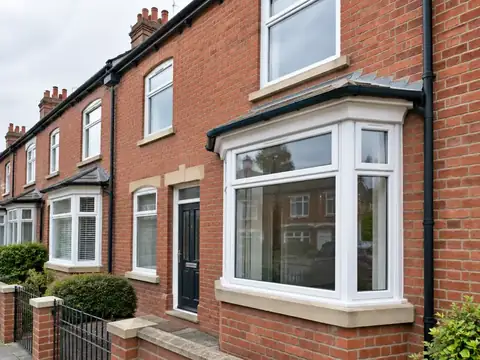
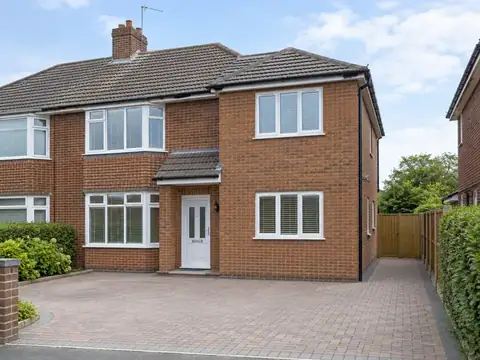
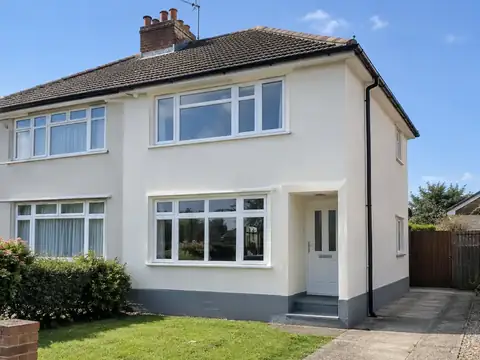
Devon is known for cob and thatch cottages, especially in mid and east Devon, alongside granite on Dartmoor and red sandstone around Exeter. Exeter and Plymouth have Georgian and Victorian terraces, Plymouth's centre was largely rebuilt after the war, and seaside towns such as Torquay and Exmouth have rendered villas and newer estates.
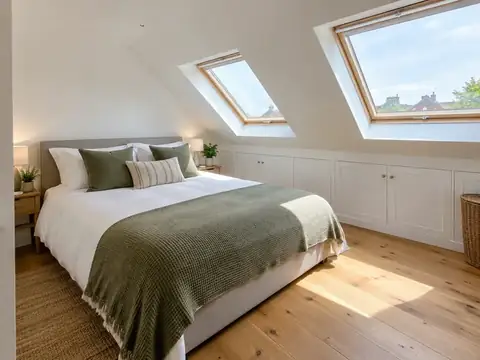
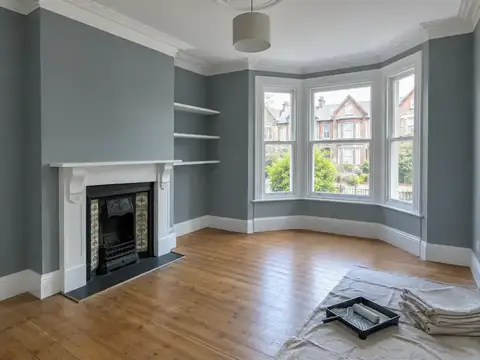
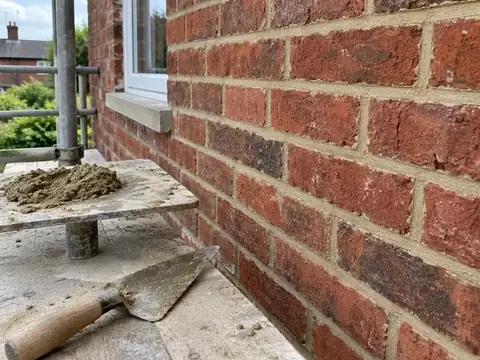
Cob and stone homes need breathable lime plaster and render rather than cement. Victorian terraces suit loft rooms and window replacement, while post-war and newer homes often take extensions, rendering and roofline renewal.
Building traditions across Devon also raise conservation and planning questions, so we check those for home improvements in Exeter at the survey stage.
Planning and building rules for Exeter
Exeter is in England, so the planning and building rules set out below are the ones that apply. We confirm the details with the council before we quote.
In England, planning applications go to your local council, and many smaller extensions, loft conversions and outdoor jobs are permitted development. Conservation areas, listed buildings and Article 4 directions remove some of those rights. Building Regulations approval comes from council building control or a registered building control approver, or through a competent person scheme for certain trades.
Questions from homeowners in Exeter
Do you cover Heavitree, Exmouth and Tiverton?
Yes. As well as Exeter, we cover Heavitree, Exmouth and Tiverton and the rest of Devon. Our coverage is UK-wide, so the process is the same wherever you are: a free site survey, a quote in writing that fixes the price for the agreed scope, and one point of contact while the work is planned and carried out.
Which postcodes in Exeter do you cover?
We cover EX1, EX2, EX3 and EX4, along with the rest of Devon. If your postcode is not listed, get in touch anyway: our coverage is UK-wide, and we can usually arrange a survey wherever you live. Enter your postcode in the guide-price tool or contact form and we will confirm.
Can I stay at home during the work?
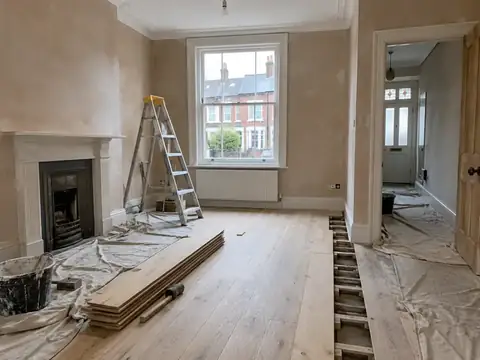
In most cases, yes. Most people can live at home throughout, and we plan the work to keep disruption down by protecting floors, agreeing working hours and keeping access routes clear. Bigger jobs affecting kitchens, bathrooms or heating may mean a short spell with reduced facilities, and we talk this through with you at the survey.
What happens at the survey?
We visit your home at a time that suits you, look at the area involved, take measurements and check access, condition and any services that might be affected. We talk through what you want from your project, explain the options and answer questions. There is no charge and no obligation; afterwards we send a written quote.
Is the price fixed?
Yes, for the specification we agree. Your written quote sets out exactly what is included at a fixed price. It only changes if you ask for something different, or if a problem the survey could not reasonably reveal later needs extra work. In either case we explain the change and confirm it in writing before going ahead.