
Homes in Derbyshire
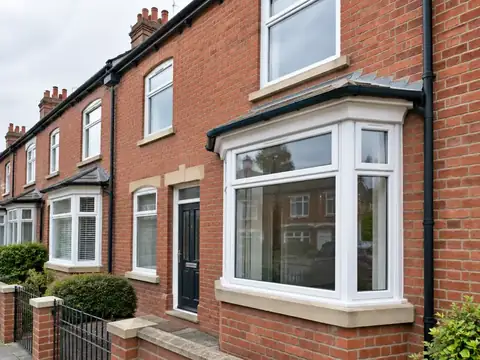
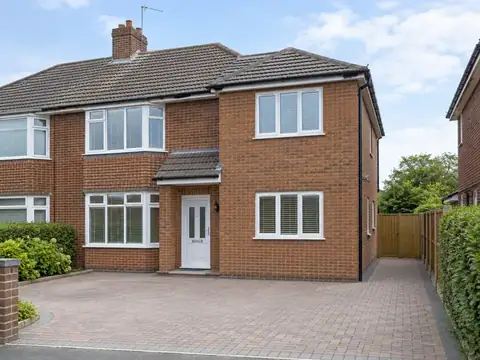
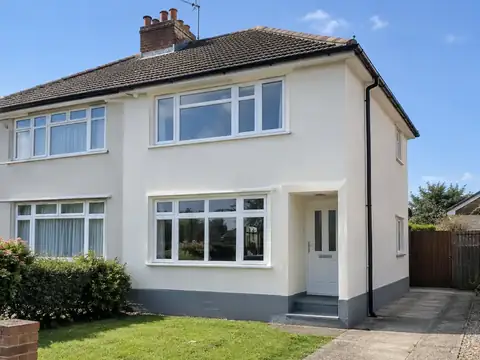
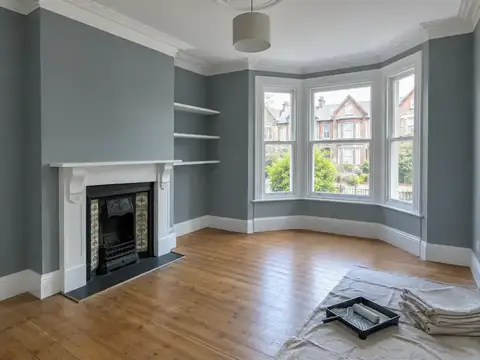
Derby has wide areas of Victorian red-brick terraces and interwar semis, while Peak District villages use gritstone and limestone under stone-slate or Welsh slate roofs. Former mining towns in the north-east of the county have brick terraces and post-war housing built for mining communities, and modern estates have grown around Derby, Chesterfield and the M1 corridor.
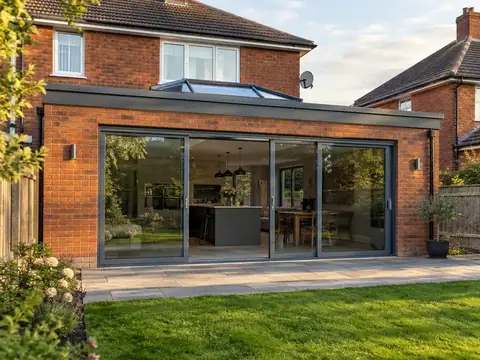
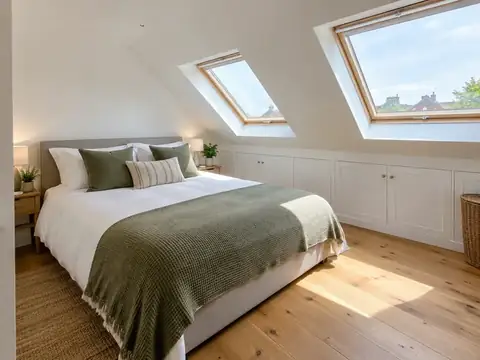
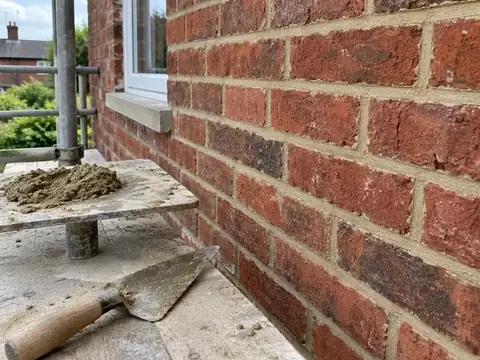
Brick terraces frequently suit loft conversions and rear extensions, and many need repointing. Stone properties in the Peak may call for lime work and planning-sensitive windows, while interwar and estate homes commonly take side extensions and garage conversions.
The High Peak gets heavy rain, snow and frequent frost, while the lower Trent valley is milder; old mine workings can also affect ground conditions in places.
Planning and building rules in England
In England, planning applications go to your local council, and many smaller extensions, loft conversions and outdoor jobs are permitted development. Conservation areas, listed buildings and Article 4 directions remove some of those rights. Building Regulations approval comes from council building control or a registered building control approver, or through a competent person scheme for certain trades.
Rules change and every property is different, so we check the planning history and constraints for your address before we quote.
Frequently asked questions
Do I need planning permission in Derbyshire?
It depends on the work, the size of the project, your property type and whether the building is listed or in a conservation area. Derbyshire is in England, so England's rules apply. Many smaller jobs need no planning application, but some still need building control approval. We check what applies to your address before quoting.
Is the price fixed?
Yes, for the specification we agree. Your written quote sets out exactly what is included at a fixed price. It only changes if you ask for something different, or if a problem the survey could not reasonably reveal later needs extra work. In either case we explain the change and confirm it in writing before going ahead.
Who do I deal with during the job?
One point of contact manages your project from survey to handover. They schedule the trades working under our contract, keep you updated on progress, and are the person to call with any question. You don't need to coordinate builders, electricians or decorators separately, because that is part of what we do.
Can you combine your project with other work?
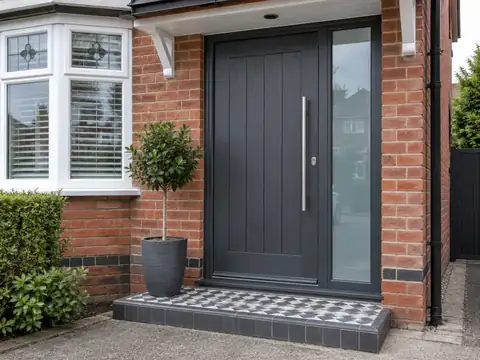
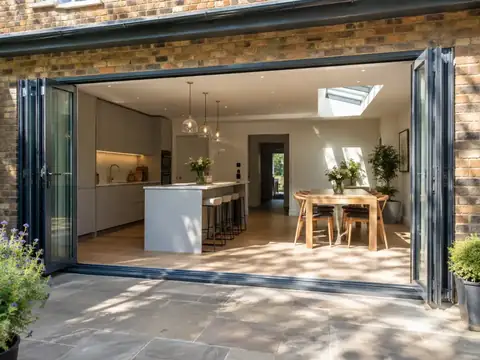
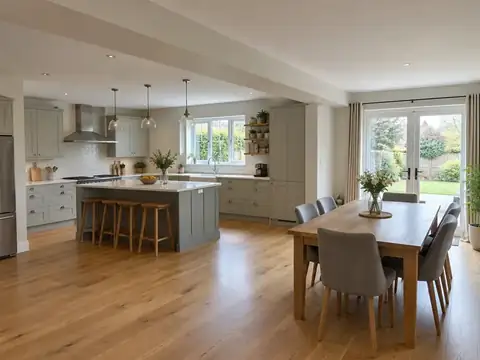
Yes. Because we manage several trades under one contract, we can plan your project alongside other work on your Derbyshire home, such as new windows with rendering, or a kitchen refit with an extension. Combining jobs can reduce repeat set-up such as scaffolding, skips and access, and every element is listed and priced in the same written quote.